

Heavy melting scrap and shredded scrap may both be classified as scrap metal, but they behave very differently during handling. Differences in piece size, shape, density and material composition affect how a grab penetrates the pile, fills and retains the material.
The most suitable Orange Peel Grab configuration therefore depends on more than the required lifting volume. To select the right solution, operators must consider the material, the crane and the overall handling operation.
With the growing use of Electric Arc Furnaces, scrap metal is becoming an increasingly important input material for steel production, making efficient and reliable handling even more relevant. Read more about this development in our blog on how Electric Arc Furnaces transform grab productivity and efficiency.
How do Heavy Melting Scrap and shredded scrap behave differently?
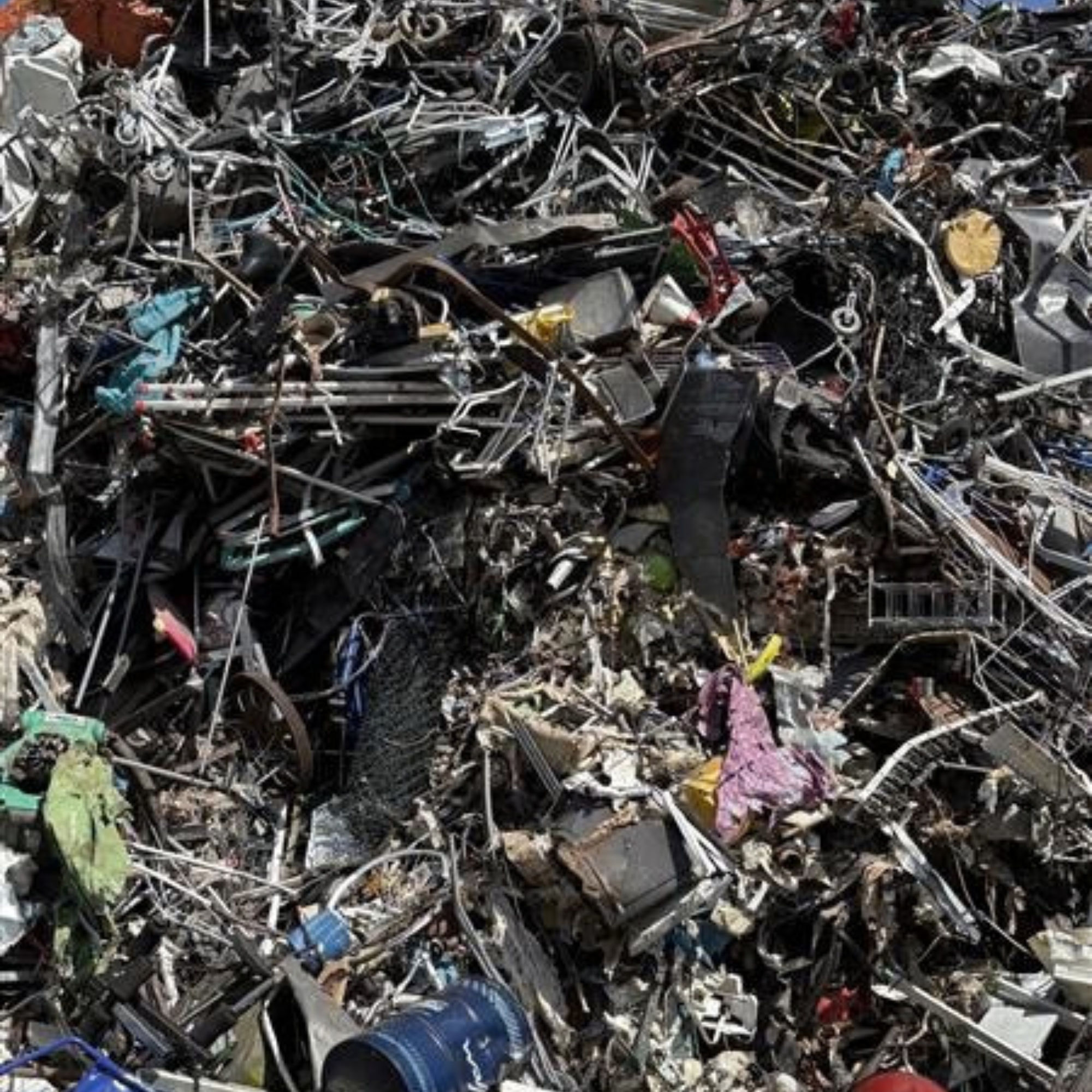
Heavy melting scrap, commonly referred to as HMS, generally consists of larger and more irregular pieces. These pieces may be heavily intertwined, making it more difficult for the claws to penetrate the scrap pile and separate a consistent load. Pieces can also protrude from the grab or remain caught between the claws as they close. The grab must therefore combine sufficient penetration with the strength and grip needed to control large, irregular pieces.
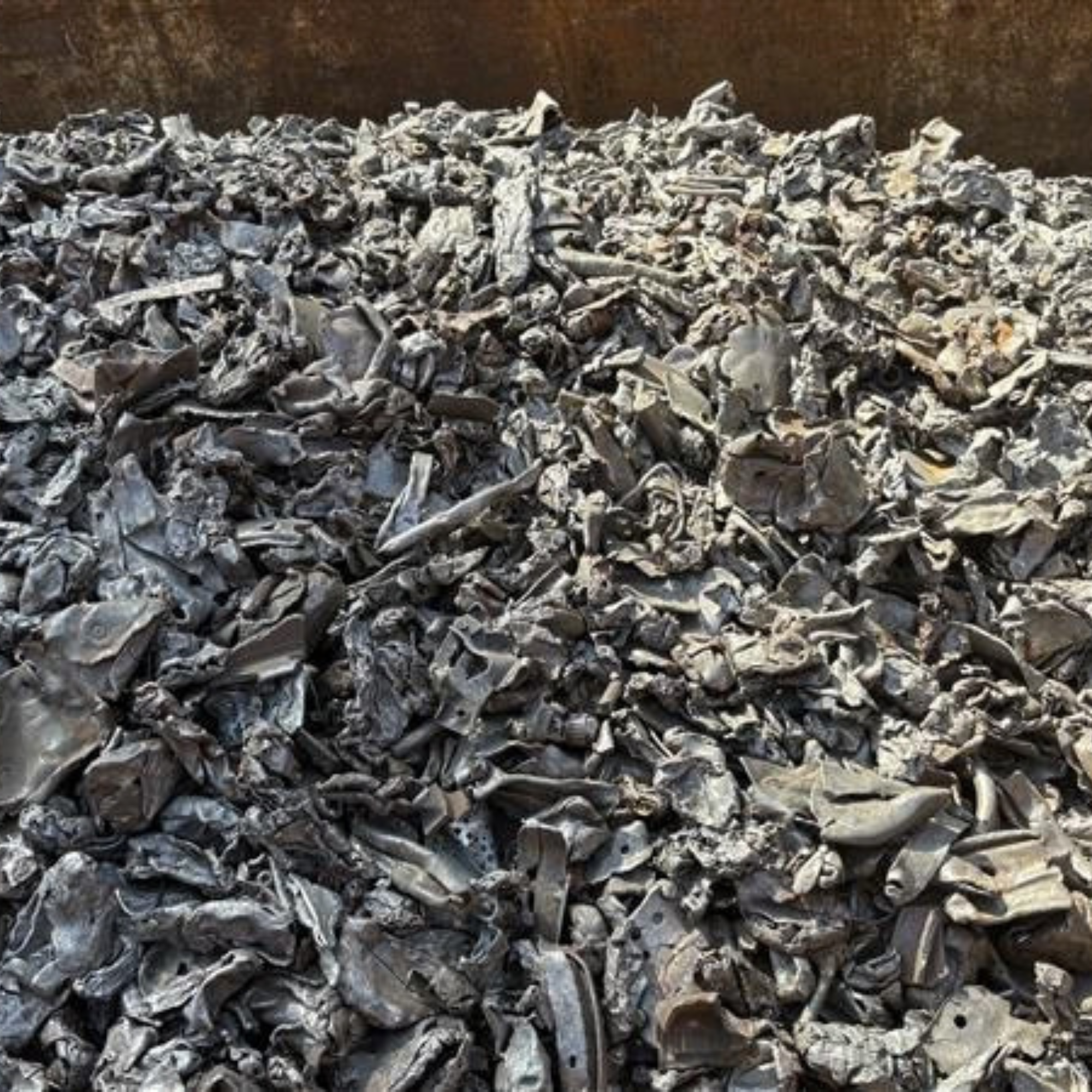
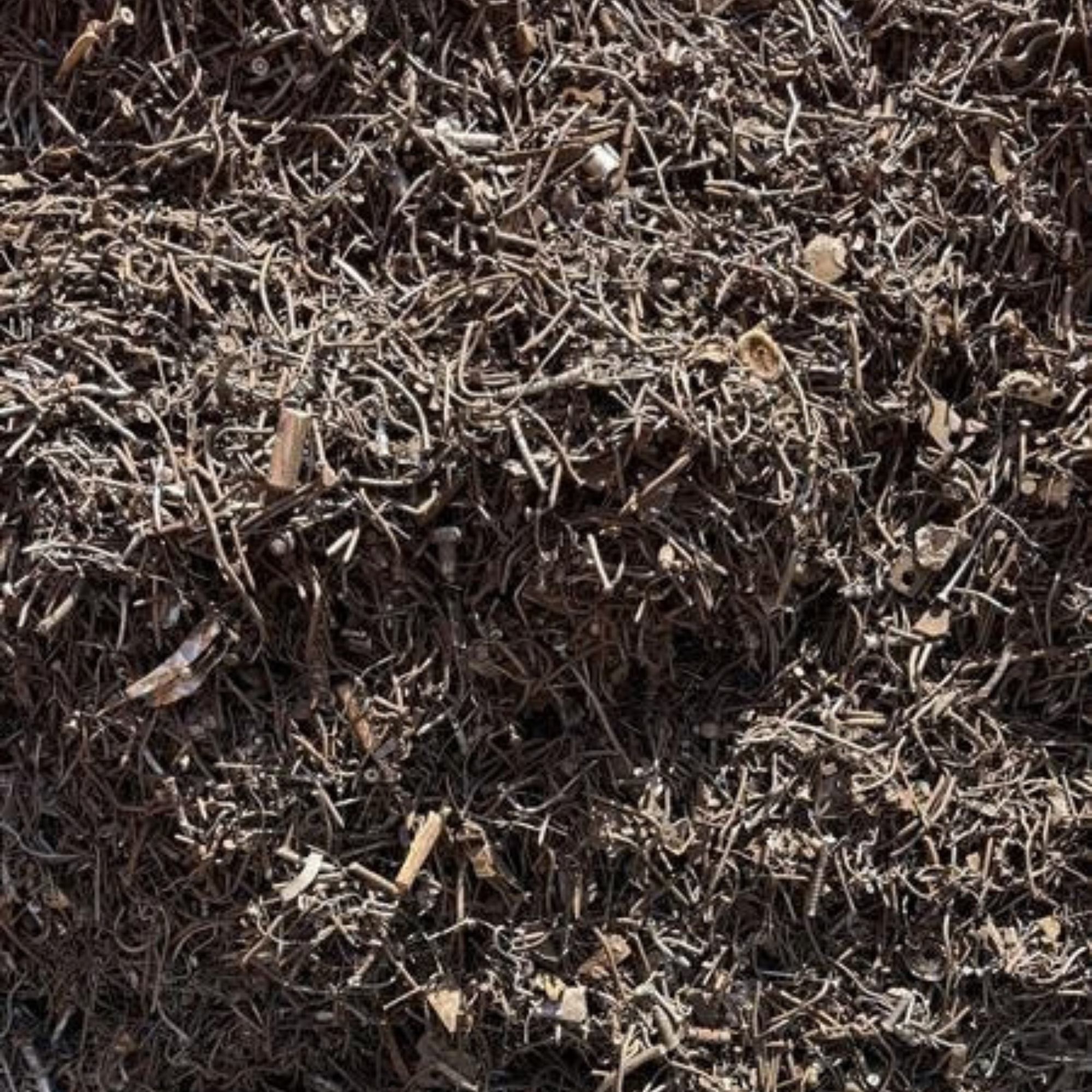
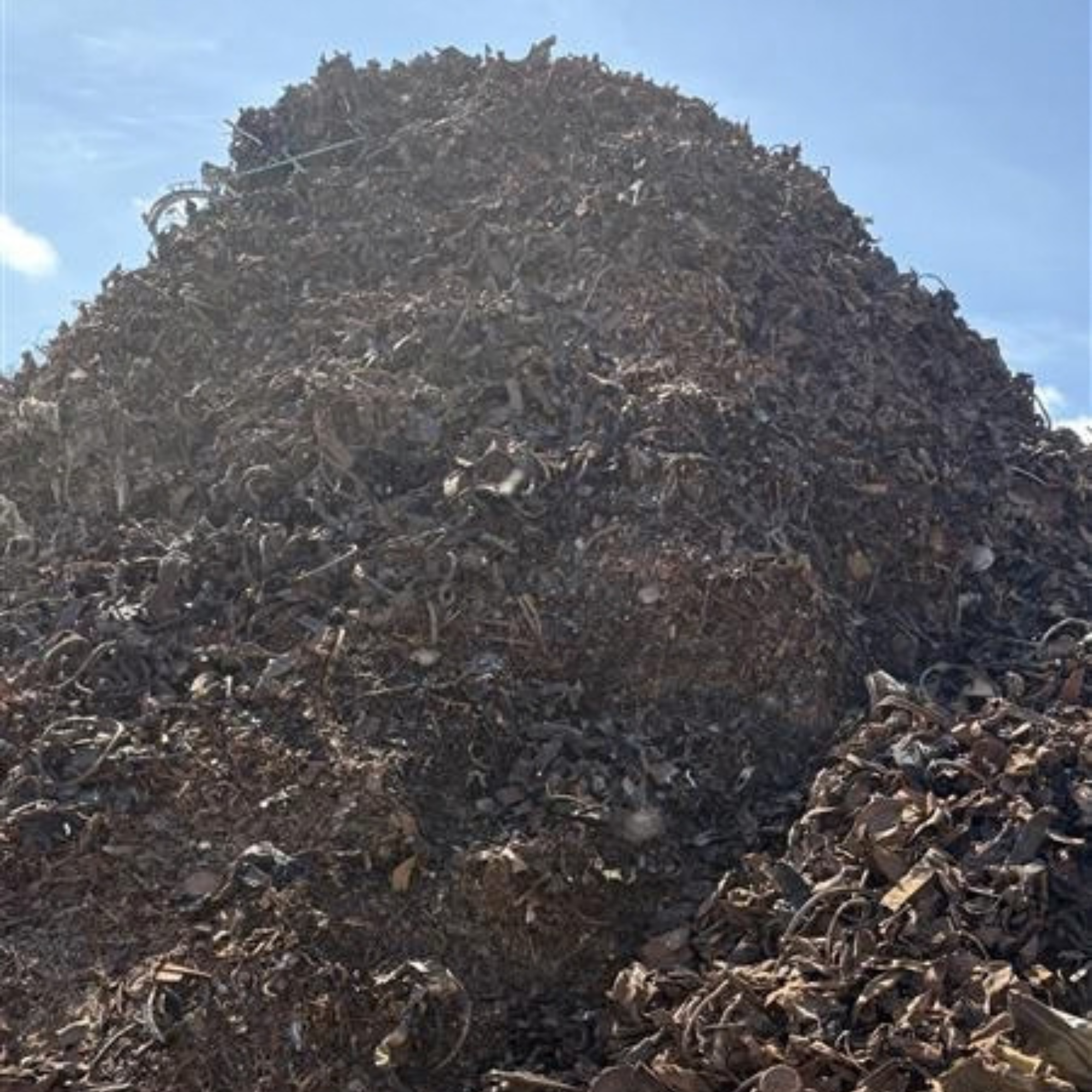
Shredded scrap is generally smaller and more uniform. It settles between the claws differently and does not usually become intertwined to the same extent as HMS. However, its smaller size increases the importance of closing the grab sufficiently to retain the material and limit spillage.
This is why HMS and shredded scrap should not automatically be handled with the same grab configuration.
How should the claw configuration differ?
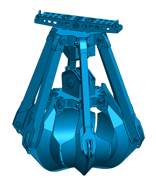
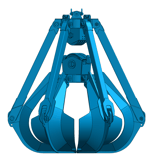
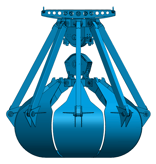
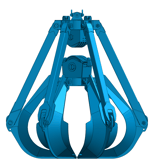
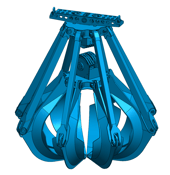
The claw configuration determines how the grab enters, collects and retains the material. Relevant choices include:
- The number of claws
- The shape and profile of the claws
- The distance between the claws
- How far the grab opens
- How tightly the claws come together
For HMS, a relatively open configuration can make it easier to penetrate the material and accommodate larger pieces. The grab must still close sufficiently to secure the load without trapping excessive amounts of protruding scrap.
For shredded scrap, the claws generally need to come together more closely. A grab that remains too open may lose smaller pieces during lifting and transfer, which can reduce handling efficiency and create safety risks around the operation.
The correct claw configuration must therefore be based on the actual scrap grades being handled. HMS and shredded scrap are broad categories, and considerable variation can exist within both.
 |
|
 |
 |
 |
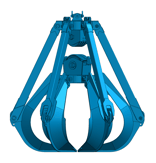 |
| 6 claw grab | 8 claw grab | Closed claw Scrap | Closed claw Biomass | Half closed claws | Open claws |
Does HMS require a different grab volume?
HMS is often handled with a different grab volume than shredded scrap, but volume should never be considered independently.
The difference in bulk density and material behaviour also affects how the grab is filled. With HMS, larger and intertwined pieces can extend below or outside the grab while still forming part of the load. With shredded scrap, the material generally needs to be contained more fully within the grab. This means the required grab volume can differ considerably between the two materials, even when the target payload is similar.
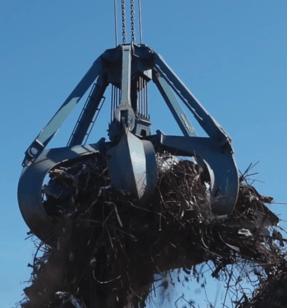
The vessel layout, crane type, safe working load, required outreach and wider handling process can also restrict the practical grab size. In many operations, the limiting factor is not how much material physically fits inside the grab, but how the grab fits within the complete crane and terminal operation.
The objective is therefore not to select the largest possible grab. It is to find the best balance between volume, deadweight, crane capacity and expected material density.
Can one grab handle both HMS and shredded scrap?
When a terminal handles both materials regularly, two dedicated Orange Peel Grabs will usually provide the best performance. Each grab can then be configured for the penetration, filling and retention characteristics of a specific scrap type.
However, using two grabs is not always practical. Available space, crane capacity, handling frequency and the logistical process may make one versatile grab the preferred solution. In that case, the grab should be designed around the complete expected material range. The claw configuration, volume and deadweight must provide enough flexibility to handle both materials reliably.
This will usually involve a compromise. A configuration that performs particularly well with shredded scrap may deliver slightly less penetration in heavily intertwined HMS. A configuration optimised for HMS may retain smaller shredded material less effectively.
Understanding which material is handled most frequently, and which performance trade-offs are acceptable, is therefore essential.
Which grab should you choose?
The right choice depends on the material characteristics and the operation in which the grab will be used. Key factors include:
- the size and shape of the scrap;
- how strongly the material is intertwined;
- the range of scrap grades being handled;
- the available crane capacity;
- the required balance between penetration and retention;
- whether the grab must handle one or multiple materials.
By assessing these factors together, Nemag can determine whether a dedicated HMS grab, a configuration for shredded scrap or a balanced solution for multiple scrap types best fits the operation.
Handling HMS, shredded scrap or a combination of both? Contact Nemag to discuss the most suitable Orange Peel Grab configuration for your material and handling process.