
The ultimate guide to improving productivity, efficiency & safety
in dry bulk handling operations

Introduction

Improving productivity in dry bulk handling

Improving productivity in dry bulk handling operations starts with understanding what really drives performance in your operation. From cycle time and crane–grab interaction to vessel turnaround and terminal bottlenecks, small improvements can have a significant impact on your overall output. At the same time, safety requirements and energy consumption play an increasingly important role in how operations are designed and optimized.

On this page, you’ll find a clear overview of the key factors that influence productivity, efficiency, and safety in dry bulk handling. Each topic is supported by practical insights and real-world considerations, helping you identify where improvements are possible within your own operation.


01

How to improve cycle time in dry bulk handling

Cycle time is one of the most direct drivers of productivity in dry bulk handling. Every cycle includes several movements: the grab closes, lifts the material, travels, opens, returns and starts again. When one part of that sequence takes longer than needed, the total handling capacity of the operation is affected.

However, improving cycle time is not simply a matter of moving faster. A faster cycle only creates value when the grab remains stable, fills consistently and releases material efficiently. If a grab moves quickly but does not reach the right fill rate, the operation may need more cycles to move the same amount of material. This can reduce the expected productivity gain.

As explained in Why faster grab cycles improve bulk terminal productivity, cycle performance should be viewed in relation to the full handling process. The material type, bulk density, crane capacity, grab design and operator conditions all influence the outcome.

This is especially relevant in transshipment, where productivity depends on stable performance under changing conditions. The article Transshipment efficiency: key challenges & solutions explores how operational factors can affect efficiency. The guide How to choose the right grab for transshipment also shows why the right grab selection is important for achieving consistent cycle performance.

Product-Feature-Placeholder-04-1
Product-Feature-Placeholder-06-1
Product-Feature-Placeholder-05-1


02

Optimizing crane and grab interaction for better performance

The interaction between crane and grab has a major influence on handling performance. When both are properly aligned, the operation becomes more stable, predictable and efficient.

The crane and grab should be seen as one operating system. The crane provides the lifting capacity, movement and control, while the grab determines how effectively material is collected, retained and released. If these two elements are not well matched, productivity can be limited even when both pieces of equipment perform well individually.

A common issue is the balance between grab weight and payload. A heavier grab may offer strength and durability, but it also reduces the available payload within the crane’s safe working load. A grab that is too light, on the other hand, may not penetrate the material effectively or may become less stable during operation. The optimal setup depends on the crane, the material, the required output and the working conditions.

This is why grab selection should be based on more than capacity alone. The 3-step grab selector helps structure this decision by looking at the key factors that influence performance. For a broader explanation, the guide How to choose the right grab for transshipment explains how the application, material and operating environment all influence the final choice.

In practice, good crane–grab interaction leads to smoother movements, more predictable filling and less unnecessary strain on the equipment. The SMT Shipping case study provides a practical example of how grab performance can influence transshipment operations.


03

How to reduce vessel turnaround time in bulk operations

Vessel turnaround time is one of the most important indicators of terminal performance. It reflects how efficiently a vessel can be loaded or unloaded, but also how well the surrounding operation is organized. A delay during handling can affect berth availability, planning reliability and the cost structure of the entire operation.

Reducing turnaround time starts with understanding where time is lost. Sometimes the cause is directly related to grab performance, such as inconsistent filling, slow discharge or inefficient material release. In other cases, the issue may be found in crane availability, transport capacity, cleaning time, shift changes or coordination between teams.

The goal is not only to increase peak performance, but to create a more consistent handling process. A stable fill rate, predictable grab behavior and efficient crane movements help reduce variation between cycles. Over a full vessel, this consistency can have a significant impact.

The article Optimizing productivity and vessel turnaround for iron ore handling explains how productivity and vessel turnaround are connected in a specific dry bulk application. It also shows why equipment choice and operational setup should be considered together when looking for improvement opportunities.

Supporting content


04

How to identify and solve terminal bottlenecks

Terminal bottlenecks are not always caused by the most visible part of the operation. A crane may appear to be the limiting factor, while the actual issue is material transport, storage capacity, planning, truck or conveyor availability, or the transition between process steps.

That is why terminal performance should be assessed as a chain. If one part of the process slows down, the effect can be felt across the entire operation. A grab may be able to handle more material, but if the next step cannot process that material at the same pace, the full productivity gain will not be realized.

Bottlenecks often show up as waiting time, inconsistent output, underused equipment or recurring delays at specific moments in the operation. Identifying these patterns helps terminals focus improvement efforts where they create the most value.

The article Enhance transshipment efficiency: Boost productivity at bulk terminals looks at productivity from this broader operational perspective. It connects well with Transshipment efficiency: key challenges & solutions, where different operational challenges are discussed in relation to overall performance.

Improving bottlenecks often requires more than one adjustment. It may involve better equipment matching, more stable grab performance, improved planning or a clearer understanding of where the operation loses time.


05

How to improve energy efficiency in bulk handling

Energy efficiency is becoming more important in dry bulk handling. Rising energy costs, sustainability goals and changing industrial processes all influence the way terminals and industrial operations look at performance.

Energy efficiency in dry bulk handling is closely linked to operational efficiency. When a grab does not fill properly, when movements are repeated unnecessarily, or when material flow is inconsistent, more energy is often needed to achieve the same result.

A more efficient operation uses equipment in a controlled and predictable way. This means improving fill rate, reducing unnecessary cycles and making sure the crane and grab work together effectively. In many cases, better productivity and lower energy use are connected: if more material can be moved per effective cycle, the energy used per tonne can decrease.

Energy efficiency is also becoming more relevant because industrial processes are changing. In the steel industry, for example, the transition to electric arc furnaces can influence material flows and handling requirements. The article How electric arc furnaces transform grab productivity and efficiency explains how these changes can affect grab performance and operational efficiency.

For operations exploring the role of NemaX in this context, the NemaX quick guide provides more information about the grab and its application. The focus should always be on the total handling result: how much material is moved, how consistently this happens and how much energy is required to achieve it.


06

Ensuring safe and consistent performance

Safety is an essential part of productivity in dry bulk handling. An operation that is unstable, unpredictable or difficult to control will often lead to interruptions, additional checks or increased risk for people and equipment.

Safe performance starts with the correct match between crane, grab, material and working conditions. The safe working load of the crane must be respected, while the balance between grab weight and payload should support both productivity and control. If this balance is not right, the operation may become less efficient or less predictable.

Maintenance also plays an important role. Wear on closing mechanisms, shells, ropes or structural parts can affect how the grab behaves during operation. A well-maintained grab helps keep performance consistent and reduces the risk of unexpected downtime.

The VLI Pecem case study provides a practical example from the field. It fits well within this topic because safety, reliability and operational performance are closely connected in daily handling conditions.

In practice, safe operations are usually more consistent operations. Clear equipment limits, stable grab behavior and predictable handling all help create a better working environment.

Supporting content

Conclusion

From insight to operational improvement

Improving productivity in dry bulk handling is rarely the result of one single change. Cycle time, crane–grab interaction, vessel turnaround, terminal flow, energy use and safety all influence each other.
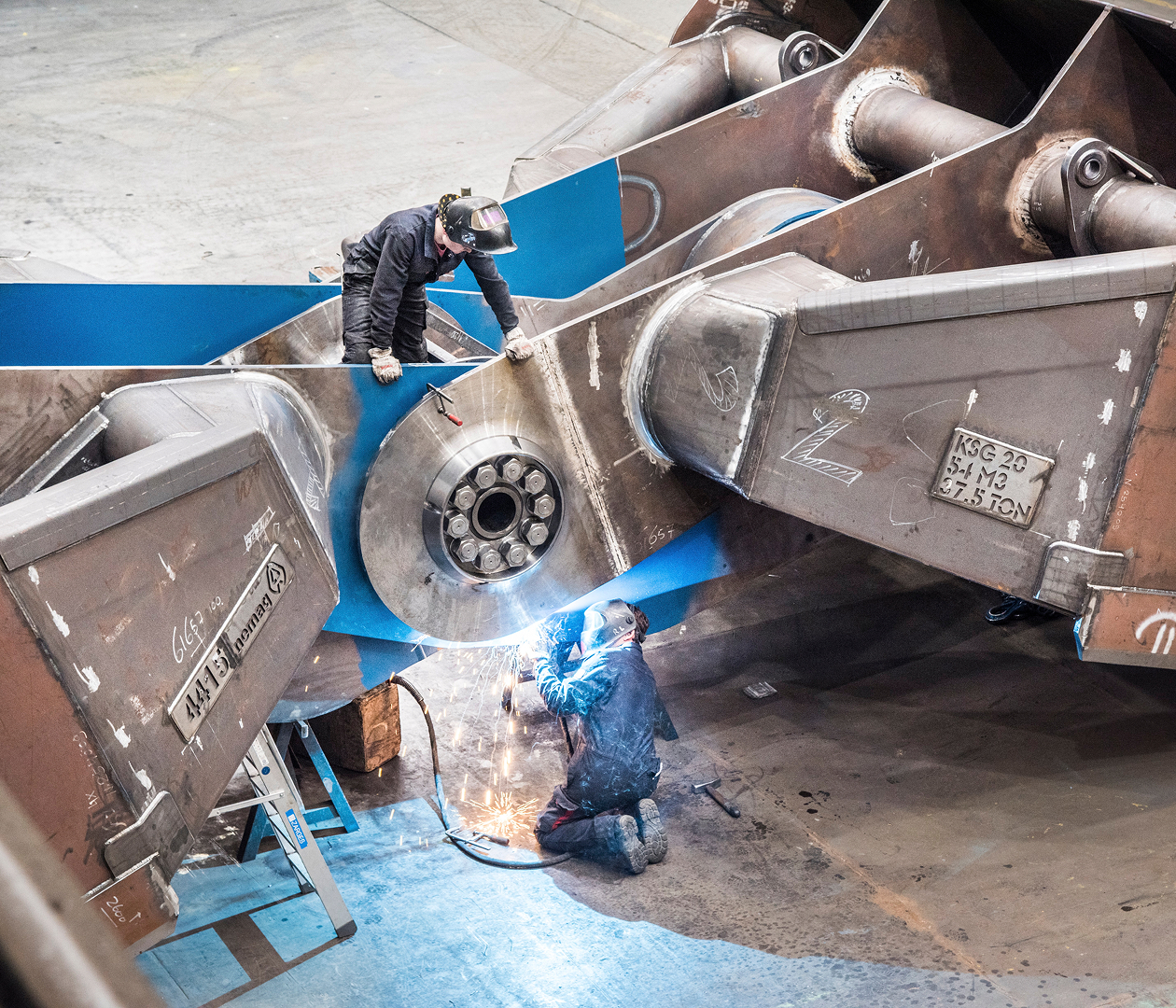
That is why it is important to look at performance from an operational perspective. A faster grab cycle may improve output, but only if the grab fills properly and the rest of the terminal can handle the increased flow. A different grab configuration may improve payload, but only if it remains within the crane’s working limits. A reduction in energy use is most valuable when it supports productivity rather than limiting it.

The Productivity calculator can help make this more tangible by showing what changes in performance could mean for your operation. For more specific advice, you can request your personal grab consultation. If NemaX is relevant for your application, you can also request a free NemaX demo.

By combining technical insight with practical operational knowledge, terminals can identify where improvement is possible and where it will have the most impact.

Keep exploring

Latest blog posts

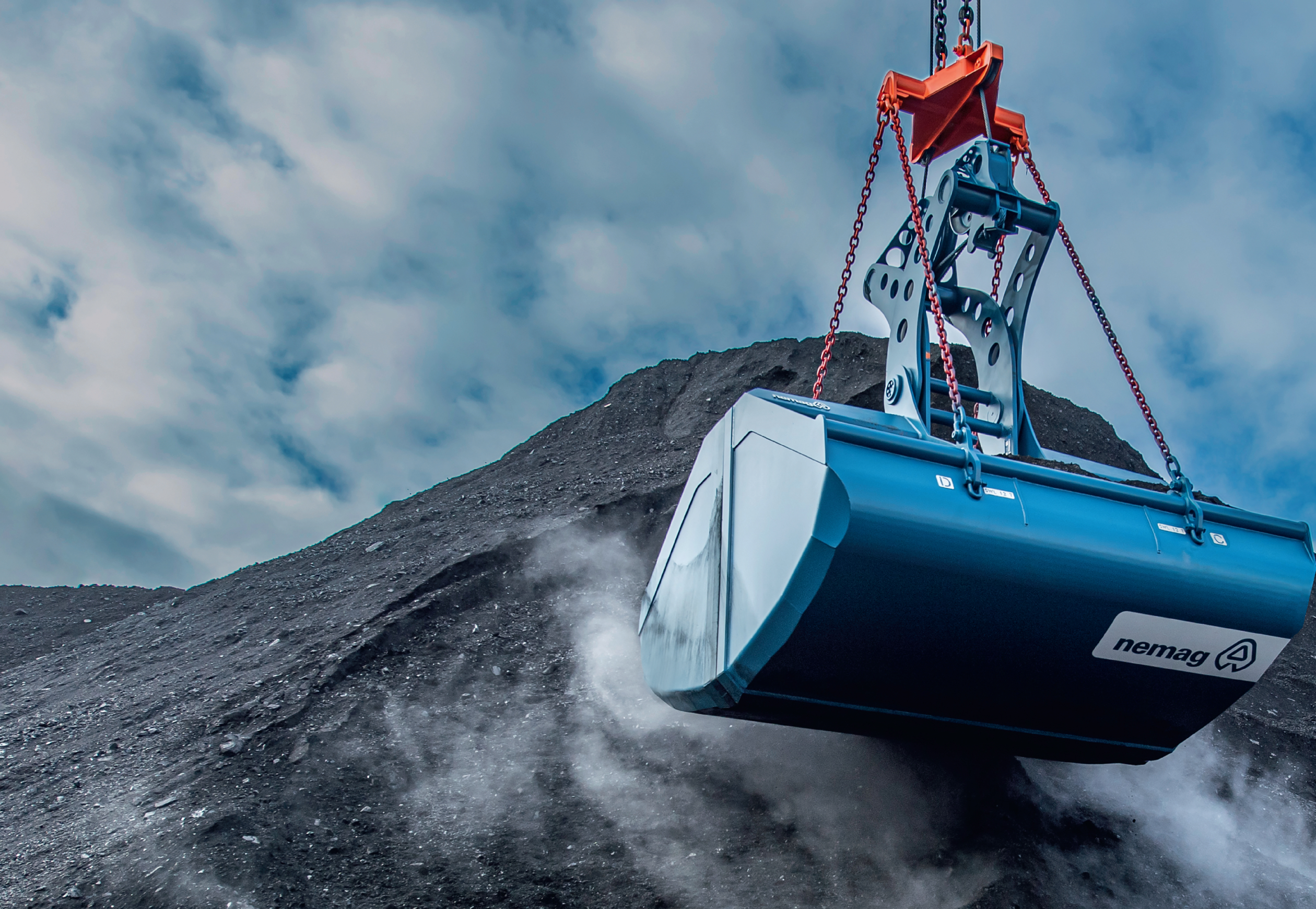
How faster grab cycles improve bulk terminal productivity
Product-Feature-Placeholder-V4-08

How faster grab cycles improve bulk terminal productivity

Apr 16, 2026, 3:29:49 PM 3 min read
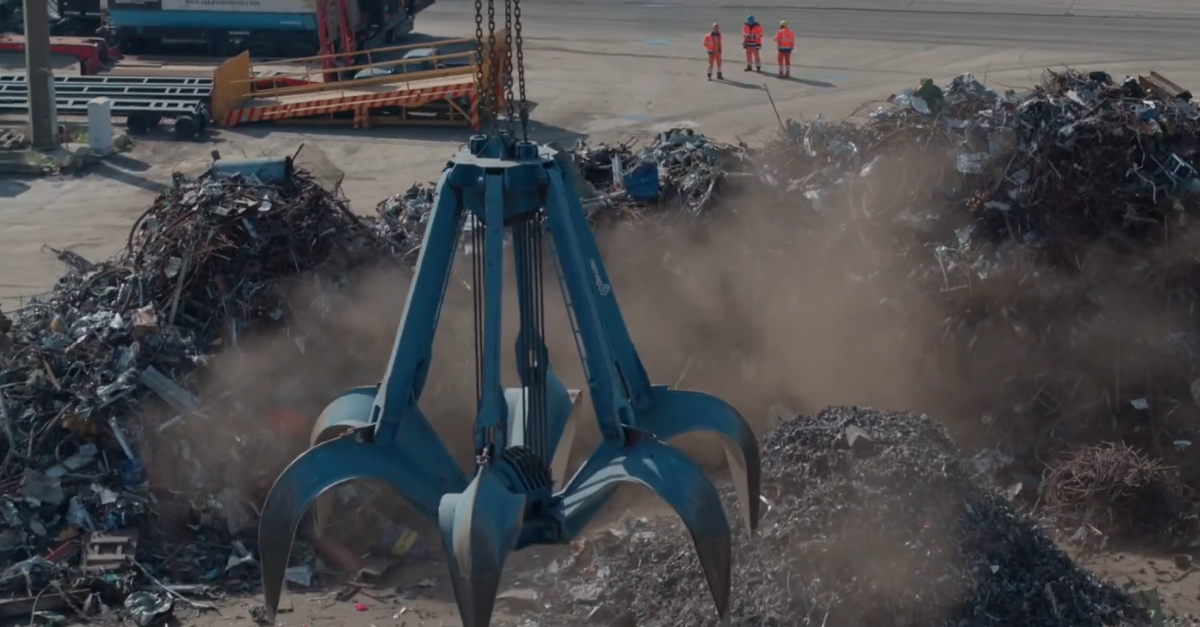
How electric arc furnaces transform grab productivity and efficiency
8

How electric arc furnaces transform grab productivity and efficiency

Apr 16, 2026, 3:28:46 PM 10 min read
How to improve transshipment efficiency with better cranes and grabs
Product-Feature-Placeholder-V4-08

How to improve transshipment efficiency with better cranes and grabs

Apr 16, 2026, 3:28:37 PM 7 min read

Contact us

A Partner
You Can Count On

As a family business we take pride in thinking on the long run and be the partner you can rely on. If you have any questions, please reach out. Our team is here to support you.

Footer-Conversion-Placeholder-V2

We're here to help you make the right choice for your operation.

Martine Dekker - Grootveld,
Sales manager

Request a quote Ask us a question