How to keep grab performance
reliable throughout its lifecycle
- Introduction Managing grab lifecycle & maintenance

- 01 Why grab maintenance matters for operational reliability
- 02 From reactive repairs to proactive maintenance
- 03 Understanding wear and extending grab lifetime
- 04 Spare parts and documentation as part of lifecycle continuity
- 05 Rope connections and safe daily operation
- 06 Choosing the right support throughout the lifecycle
- Conclusion Managing grab lifecycle with confidence
Managing grab lifecycle & maintenance
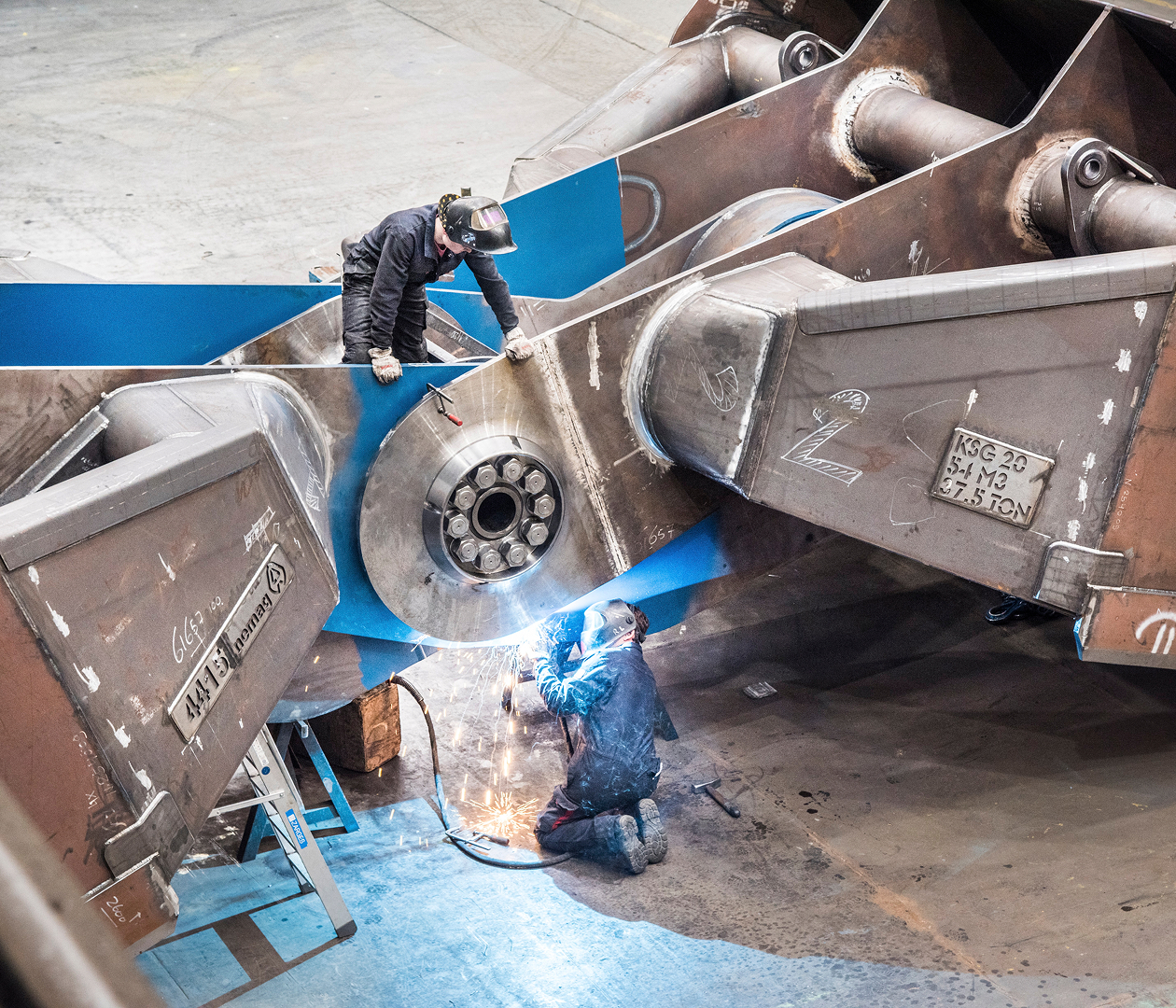
Managing the lifecycle of a grab starts with understanding how strongly maintenance influences daily operations. A grab works in demanding conditions, often under high load and in direct contact with abrasive, compacted or heavy bulk materials. Over time, wear is unavoidable.
For ports, terminals and transshipment operations, a grab is not just a piece of equipment. It is part of the handling process that keeps vessels moving, cranes productive and material flow predictable. When a grab breaks down unexpectedly, the impact can quickly extend beyond the repair itself. That is why lifecycle management should be seen as part of operational performance. Regular maintenance, clear documentation, spare parts availability and timely inspections all help keep the grab safe, reliable and productive over time.
On this page, you’ll find a clear overview of the key factors that influence grab lifecycle and maintenance. Each topic is supported by practical insights and real-world considerations, helping you reduce downtime, extend equipment lifetime and keep your operation running reliably.
Maintenance value
Keep performance reliable over time
Planned maintenance
Make service work more predictable
Grab wear protection
Limit wear during operation
Spare parts
Keep essential components available
Rope connections
Maintain the full handling system
Lifecycle support
Get support throughout the lifecycle
Why grab maintenance matters for operational reliability
Maintenance plays an important role in keeping a grab reliable throughout its lifetime. As the grab moves through thousands of cycles, its components are exposed to continuous load and movement. Shells, knives, pivot points, wires and structural parts also come into repeated contact with bulk materials. Regular checks help keep these components in good working condition.
The blog Effective grab maintenance: from hidden costs to reliable operations explains how a preventive maintenance approach supports reliable operations. Small signs of wear can be addressed early, making maintenance easier to plan and helping the grab continue to perform as expected.
Maintenance also influences the total cost of ownership. A grab should not only be assessed on its purchase price, but also on its performance, maintenance needs and reliability over time. The article CAPEX vs OPEX: why maintenance costs matter most in bulk handling explains why lifecycle costs are an important part of equipment selection and long-term operational planning.
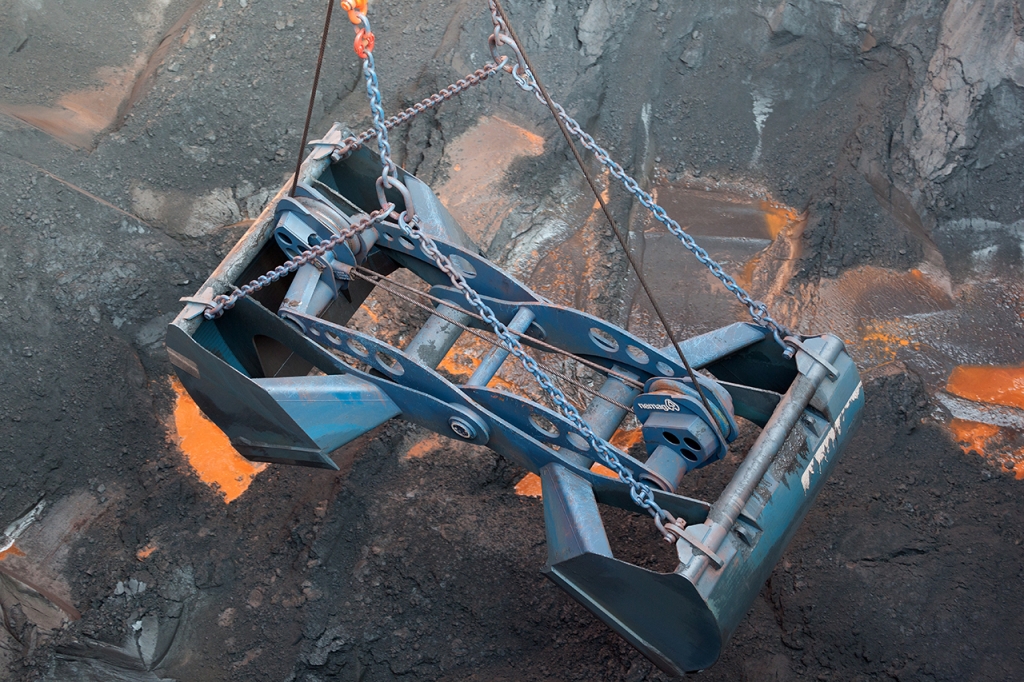
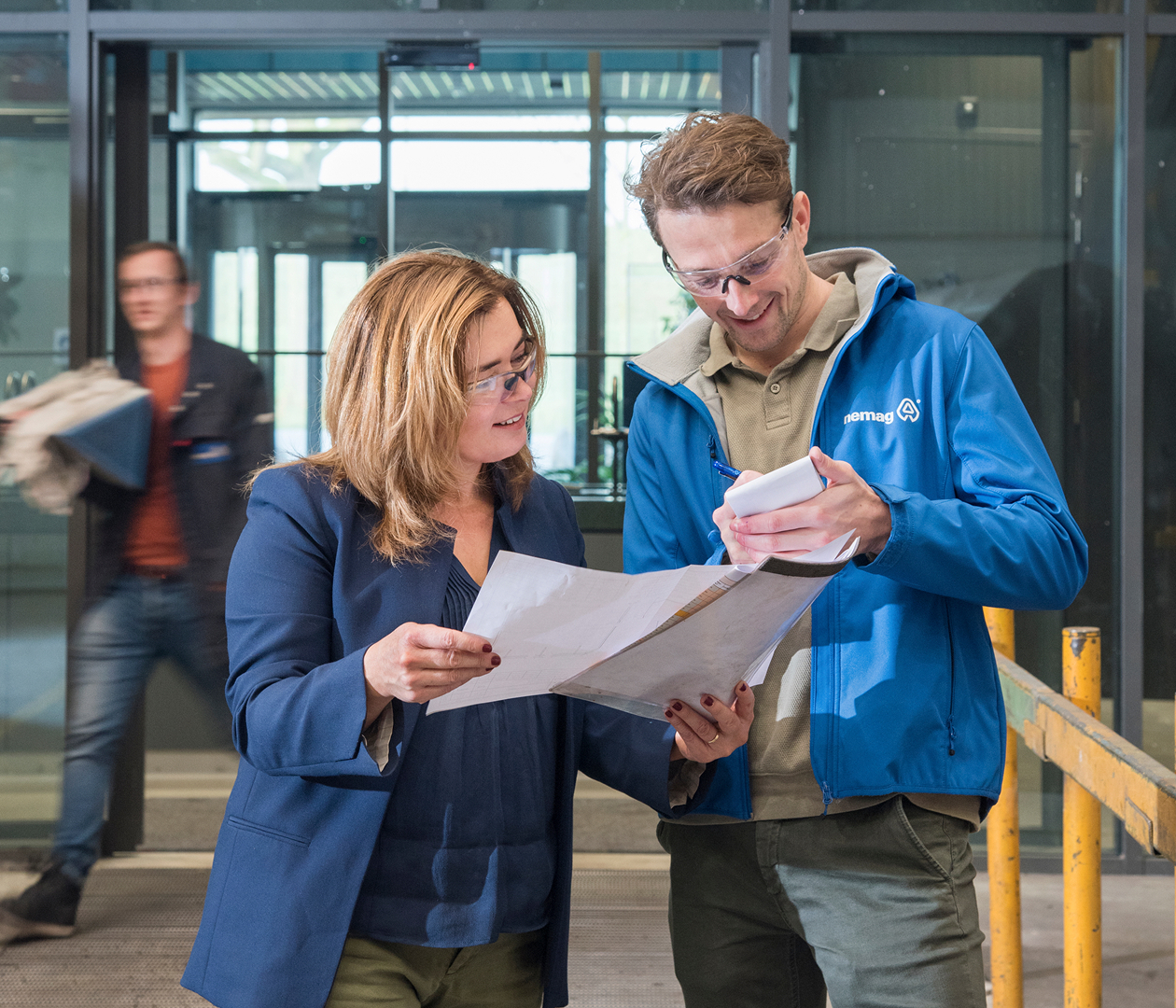
Nemag’s Service & Maintenance support helps operators manage this lifecycle perspective. Technical guidance, documentation, inspections and spare parts advice all contribute to a structured maintenance approach.
Supporting content
From reactive repairs to proactive maintenance
Every grab requires maintenance during its working life. The advantage of planned maintenance is that it creates structure. Instead of waiting until performance changes unexpectedly, operators can work with regular inspection moments, lubrication routines and timely replacement of wear parts.
A planned approach helps maintenance teams understand how the grab develops over time. It becomes easier to see which components wear faster, which parts need closer attention and when service can be scheduled most effectively.
Planned maintenance makes it easier to keep performance stable and service work predictable.
Supporting content
Understanding wear and extending grab lifetime
Wear is a normal part of dry bulk handling. Its development depends on the material, the number of cycles, the operating environment and the way the grab is used and maintained. Abrasive materials such as iron ore, minerals, gabbro and stones place higher demands on cutting edges, lower shell sections and other high-contact areas.
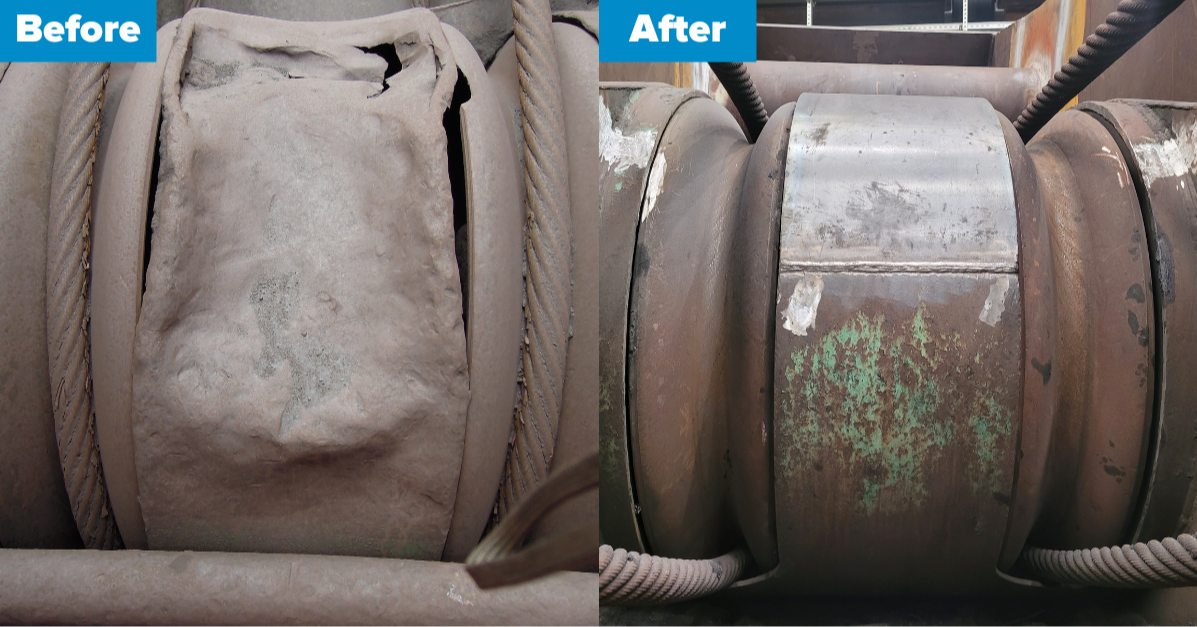
The article How to increase grab lifespan in abrasive bulk operations explains how wear-resistant steels, hard-facing lip plates and additional wear strips can help protect these areas. In demanding applications, the right wear protection can support a longer service life and more consistent performance.
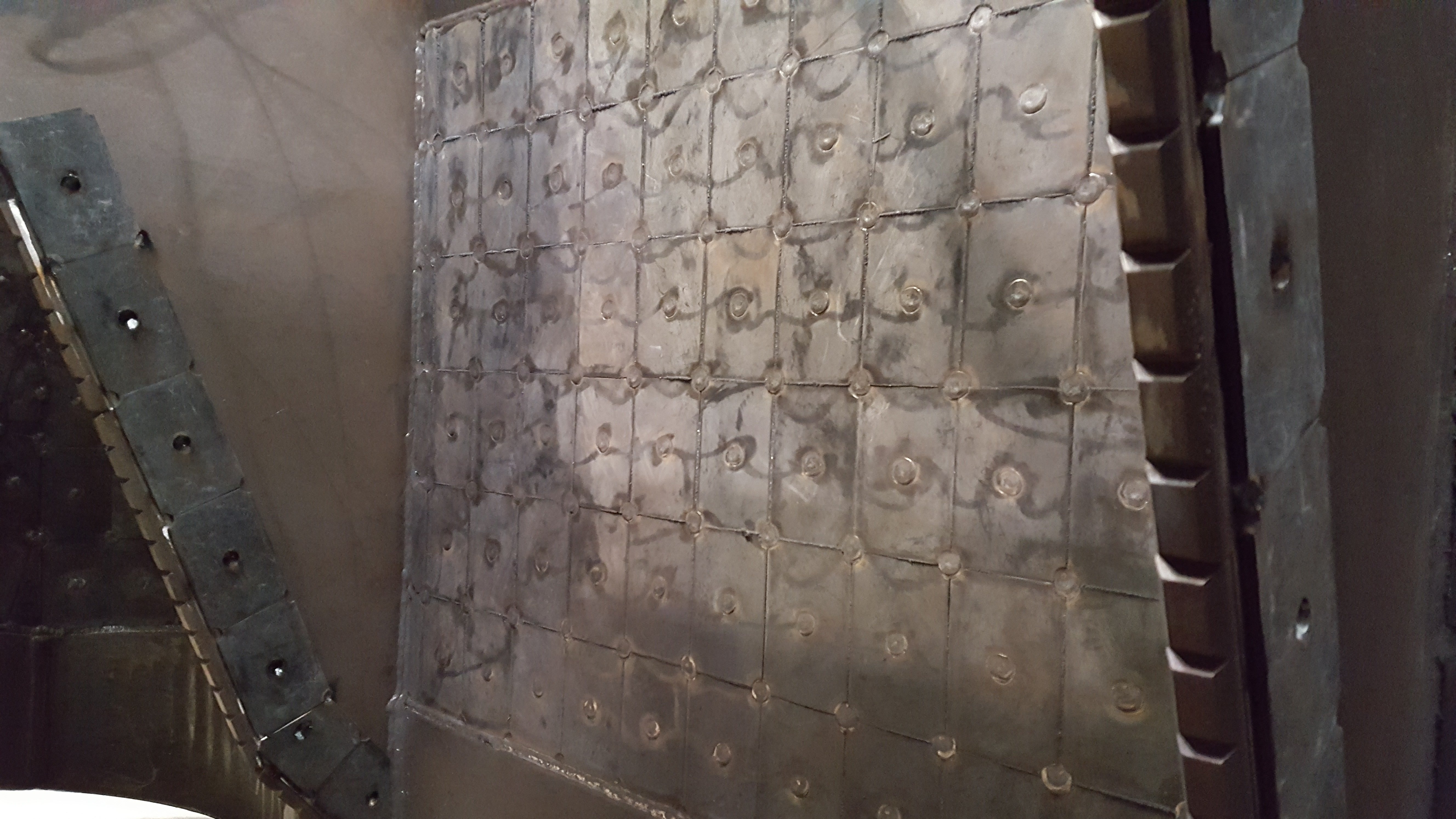
Wear management is also connected to handling quality. When shells, edges and moving parts remain in good condition, the grab can continue to close properly, retain material effectively and discharge in a controlled way. This supports cleaner handling and reduces unnecessary clean-up work.
Extending grab lifetime starts with the right design, but continues with daily use. Respecting operating limits, following inspection routines and responding to early changes in grab behaviour all help maintain performance over time. Every Nemag grab is delivered with a comprehensive Operation & Maintenance manual. This documentation provides operators, engineers and maintenance teams with practical guidance throughout the lifecycle of the equipment.
Supporting content
Spare parts and documentation as part of lifecycle continuity
Even with a strong maintenance routine, components will eventually need to be replaced. Having the right spare parts and documentation available makes service work easier to plan and execute.
Spare parts planning is especially valuable in high-volume terminals, remote locations and transshipment environments. When essential components are available when needed, maintenance teams can work more efficiently and reduce disruption to the handling process.
Nemag supports this with long-term service, spare parts advice and technical documentation. The Service & Maintenance page explains how spare parts, drawings, specifications and configuration data support the lifetime of the grab. Original spare parts are designed to match the original equipment configuration, helping preserve fit, function and reliability.
Documentation provides the same kind of continuity. Clear manuals, inspection guidance, drawings and troubleshooting information help maintenance teams work consistently, even when teams change or equipment has been in operation for many years.
Supporting content
Rope connections and safe daily operation
Grab lifecycle management also includes the rope connection system. Rope connections form the link between crane and grab and are exposed to high loads and frequent movement. Their condition influences both safe operation and daily usability.
Regular checks, correct use and clear documentation help ensure that rope terminations and connection components continue to function as intended. This is important because the grab, ropes and connection systems work together as one handling setup.
Nemag provides dedicated documentation for rope connection systems, including the Rope Pear Socket documentation and Quick Release Link documentation. This supports operators, technicians and engineers with the information needed for safe and efficient use.
Including rope connections in the maintenance strategy gives a more complete view of the equipment. When the grab, ropes, terminations and connection components are maintained together, the handling system remains more reliable over time.
Supporting content
Choosing the right support throughout the lifecycle
A grab can remain in operation for many years. During that time, operating conditions may change, materials may vary and maintenance needs may develop. Long-term support helps operators adapt to these changes while keeping performance under control.
This support can include technical advice, troubleshooting, spare parts guidance, documentation and repair recommendations. It also helps when decisions need to be made about maintenance planning, upgrades or replacement timing.
Lifecycle support is most valuable when it is based on the original design and configuration of the equipment. Nemag keeps technical information available for delivered grabs, helping operators maintain and repair equipment according to its intended design.
Long-term performance depends on more than strong equipment alone. It comes from the combination of the right design, regular maintenance, original parts, technical documentation and experienced support when needed.
Supporting content
Managing grab lifecycle with confidence
Managing grab lifecycle and maintenance is about keeping performance reliable over time. Wear is part of every dry bulk operation, but with preventive maintenance, timely inspections, spare parts planning and clear documentation, operators can manage it in a structured way.
The most reliable operations are usually the ones where maintenance is part of the operational rhythm. Lubrication, inspection, wear protection, original components and rope connection checks all contribute to safety, productivity and lifecycle cost control.
For a deeper look at preventive maintenance, read Effective grab maintenance: from hidden costs to reliable operations. To better understand the financial impact of maintenance over time, read CAPEX vs OPEX: why maintenance costs matter most in bulk handling. For long-term service, documentation and maintenance support, visit Service & Maintenance.
A well-maintained grab supports safe, stable and reliable handling throughout its lifetime.
Supporting content
Latest blog posts

Effective grab maintenance: From hidden costs to reliable operations

CAPEX vs OPEX: Why maintenance costs matter most in bulk handling

How to increase grab lifespan in abrasive bulk operations
A Partner
You Can Count On
As a family business we take pride in thinking on the long run and be the partner you can rely on. If you have any questions, please reach out. Our team is here to support you.
We're here to help you make the right choice for your operation.
Martine Dekker - Grootveld,
Sales manager